Center for Media Rights

सूचनाअधिकार
सूचनाअधिकारबारे सामग्री

  Relevant Articles
   International Mission
   Home
Comprehensive Peace Agreement Nov. 2006

The Public's
Right to Know

Principles on Freedom of
Information Legislation

Manual for Arab Journalists on
Freedom of Inform ation and Investigative
Journalism

खतरनाक परिस्थितिमा काम गर्ने पत्रकारहरूका लागि निर्देशिका

यो पुस्तक पत्रकारहरूका लागि निकै उपयोगी छ । यसलाई
www.newssafety.com
बाट साभार यहाँ राखिएको छ । यहाँ क्लिक गरेर पढन र डाउनलोड गर्न सक्नुहुन्छ ।

Gender Equity Charter 2006 FNJ
 
पत्रकारहरुका लागि सम्पन्न कार्यक्रमहरू

संविधानसभा निर्वाचन आचार संहिता
हेर्नुहोस्, डाउनलोड गर्नुहोस


मिडियाको लोकतन्त्रीकरण पुस्तक

Click here to Download
 
Click here to Download
 
Click here to Download
 
 
Rights and Responsibilities of Journalists. A Handbook Produced by Centre for Media Rights (CMR), Nepal with the support of Nepal Media and Demoractic Strengthening Project/IMPACS
 
मिडियामा काम गर्ने महिलाहरूको संख्या र गुण कसरी बढाउने
रणनीति पत्र
यहाँ क्लिक गरेर हेर्नुहोस् वा पीडीएफ मा डाउनलोड गर्नुहोस
 

सामुदायिक रेडियो स्टेसनहरूको विश्व संगठन अमार्कको नेपाल वेबसाइट हेर्नुसः AMARC

About CMR

Centre for Media Rights


Introduction

Freedom of thought and expression is a basic human right. This is reflected in the Nepal’s democratic constitution of 1991, which grants the right to freedom of speech and press. It is in tune with the spirit of the United Nations Universal Declaration of Human Rights which states, "Everyone has the right to freedom of opinion and expression; this right includes freedom to hold opinions without interference and to seek, receive and impart information and ideas through any media and regardless of frontiers."

The Centre for Media Rights is a professional body established to protect and promote this fundamental right of the people to thought and expression. It believes that the basic right to freedom can be safeguarded by equal and simultaneous development of a responsible media. The centre has been established with twin objectives of protecting the democratic and constitutional freedom of the media on free flow of information and helping the media to act in an objective and responsible manner.

Lack of communication in the society, especially among the masses, gives rise to social and political conflicts resulting in violence. One of the reasons for the violent conflict in Nepal is the lack of media outreach to the rural and remote areas, lack of media credibility in spite of its infrastructural development in the urban areas and the media’s ineffectiveness in creating an atmosphere of harmony and amity in the multi-ethnic and multi-cultural society of Nepal.

The Centre for Media Rights aims at creating a peaceful society in Nepal through the healthy growth of communication by promoting understanding among different communities and reducing the points of conflicts. Its activities and programmes have been designed to secure a free but responsible media for the ultimate achievement of a peaceful and equitable society in Nepal.

Objectives

The Centre for Media Rights has set before it the following objectives:

1. To promote and protect people's right to information.
2. To promote free, independent and responsible media.
3. To help create a media environment that enhances peaceful, prosperous
and equitable society.
4. To conduct study and research on the situation of media rights, media-awareness and media responsibility.
5. To strengthen the role of media for peace and conflict resolution.

Activities

The activities of the centre have been planned under three categories (briefly called 3-S) of study, support and service.
Under the first category there will be a variety of studies, research, surveys and reviews. The second kind of activities will involve support to the media through counseling, training and workshop discussions. The third set of activities will relate to the establishment of a website for journalists, a feature service, production of materials and the functions of a clearinghouse.
The specific activities can be described as follows:

1. Groundwork for the promotion of media freedom
a. To organize meetings of organizations engaged in media freedom
b. To conduct situation analysis of media freedom
c. To sponsor review and documentation of constitutional provisions and other pertinent literature pertaining to media freedom

2. Institutional evaluation for promotion of media freedom

To institute regular reviews of governmental and non-governmental organizations on their attitudes and performances relating to media freedom.

3 Media awareness status
a. To conduct awareness surveys pertaining to rights and responsibilities among journalists, concerned parties in conflict and select relevant communities.
b. To monitor cases of violation of media rights and responsibilities
c. To constantly review and evaluate literature pertaining to violation of media rights and responsibilities

4 Media rights reforms.
To organize general and professional conferences on media rights reforms, to find out practical solutions and to undertake follow-up measures to the conference recommendations.

5 Production of handbooks and materials on media rights and responsibilities

6. Training programmes
a. To develop training programmes and curricula on media rights and responsibilities
b. To conduct training programmes on media rights and responsibilities

7 Media Monitoring
• To develop a system for documentation of relevant news and features.
• To monitor violations of media rights and responsibilities.

8 Resource website for journalists
• To provide a database in local language for journalists who have difficulty in accessing resources in other languages.
• To provide information on media laws, regulations, ethics etc.
• To provide information for objective and responsible reporting on current topics
• To help journalists to use information technology and IT-assisted information
• To run an online feature service

9. Feature service
• To run a feature service to create awareness about media rights and responsibilities in the media community,
• To help create media awareness among readers, listeners and viewers of electronic media
10. Regional dialogues on media rights
To organize from time to time dialogues on media rights at the international and regional levels.

Institutional framework

The Centre for Media Rights is an independent and non-profit agency sponsored by Media Services International.

Contact address

Centre for Media Rights
Media Services International
Thapathali, Kathmandu, Nepal
Tel: 4671241, 6222256
Fax.
Email: msi(at)mail.com.np
URL: www.msinepal.com

Editor
Tel: 5522461, Mobile: 9851064777
Email: vinaya(at)wlink.com.np
url: www.kasajoo.com


पत्रकारहरुको अधिकार र
कर्तव्यबारे दस्तावेजहरु
मिडियामा बालबालिका निर्देशन र सिद्धान्तहरू
bL3{sfnLg ;+rf/ gLlt २०५९
5fkfvfgf tyf k|sfzg P]g
5fkfvfgf tyf k|sfzg lgodfjnL
/fli6«o k|;f/0f lgodfjnL
;"rgf k|ljlw gLlt @)%&
संचारसम्बन्धी केही ऐनलाई संशोधन गर्न बनेको अध्यादेश २०६२
प्रतिनिधि सभाको घोषणा, २०६३
सात दल र माओवादीबीच आठ बुँदे सहमति
सातदल र माओवादीबीच कार्तिक २२ गते भएको ऐतिहासिक सहमति
नेपालको अन्तरिम संविधान २०६३
नेपालको अन्तरिम संविधान २०६३ मा पहिलो संशोधन नेपालको अन्तरिम संविधान २०६३ मा दोस्रो संशोधन
उच्चस्तरीय मिडिया सुझाव आयोगको प्रतिवेदन २०६३
उपयोगी प्रकाशन

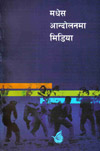
मधेस आन्दोलनमा मिडिया
मधेस आन्दोलनमा नेपाली प्रेसले खेलेको भूमिका र झेल्नु परेको समस्याका बारेमा फ्रिडम फोरमले गरेको अध्यनको प्रतिवेदन यसै साता सार्वजनिक गरिएको छ । अधिनायकवादी सत्ताको विरोधमा र जनअधिकारका पक्षमा लागेर खारिएको नेपाली प्रेस मधेस आन्दोलनमा किन आलोचित हुनुपर्‍यो ? कसरी यसको व्यावसायिक दक्षता र नैतिक आचारमाथि नै प्रश्न खडा भयो ? यस्ता अनेकौँ प्रश्नको जवाफ यो अध्ययन प्रतिवदनले दिन खोजेको छ । यसका सुझावहरु नेपाली प्रेसका लागि आँखा खोल्ने खालका छन् ।
प्रतिवेदनको सार हेर्न यहाँ क्लिक गर्नुहोस

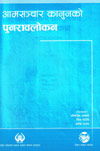
नयाँ नेपालको निर्माण प्रक्रियामा आमसंचार कानुनको पुनरावलोकन (मस्यौदा प्रतिवेदन)
दक्षिण एशियाली स्वतन्त्र पत्रकार संगठन (साफ्मा) नेपाल च्याप्टर


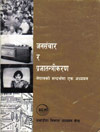
जनसंचार र प्रजातन्त्रीकरण नेपालको सन्दर्भमा एक अध्ययन (२०५३)

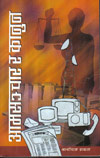
आमसंचार र कानुन नेपाल प्रेस इन्स्टिच्युट २०५८


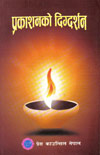
प्रकाशनको दिग्दर्शन प्रेस काउन्सिल नेपाल चौथो संस्करण २०६०

 
 © Copyright 2004 Center for Media Rights. All Rights Reserved. For enquiries: Website Developed by: Dreams & Ideas